How to Use a Pulse Oximeter at Home
Recommended picks

What a pulse oximeter shows you
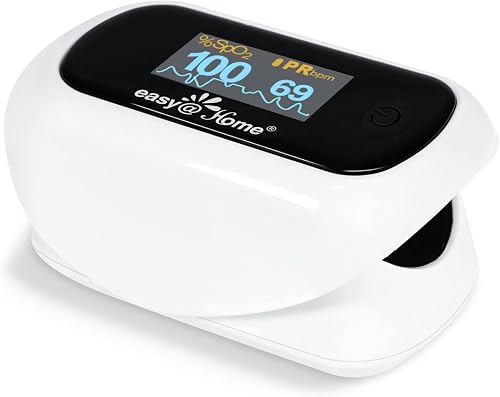
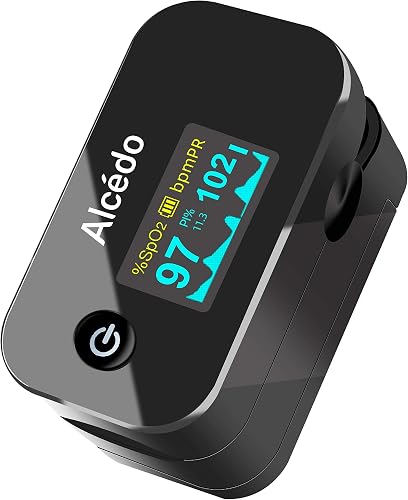
A fingertip pulse oximeter is a small clip that shines light through your finger to estimate two things. The first is your blood oxygen saturation, shown as SpO2 and given as a percentage. The second is your pulse rate, shown in beats per minute. The device works at home without a needle or a blood sample, which is why these clips are popular for everyday checks. Treat the numbers as a general guide, not a diagnosis, and talk with a healthcare professional if you have questions about your health.
Getting ready before you measure
Sit down somewhere quiet and rest for a minute or two so your reading is not thrown off by recent activity. Make sure the finger you plan to use is clean, dry, and free of nail polish or artificial nails, since these can block the light. Cold hands are a common reason for a weak signal, so warm them up if they feel chilly. Many people pick the index or middle finger because it sits well inside the clip. Have a way to note the time and the numbers if you want to keep a simple record.
Step by step: taking a reading
Open the clip and slide your fingertip in until it touches the far end, then let the clip close gently. Rest that hand on a table or in your lap so it stays still, and keep your arm relaxed. Turn the device on if it does not start on its own, and avoid talking or moving while it reads. Watch the screen for a few seconds until the SpO2 and pulse numbers stop jumping and settle into a steady value. Read both numbers, and if you are tracking trends, write them down along with the date and time.
Reading the numbers without overreacting
Pulse oximeters report a percentage for oxygen and a number for your pulse, and small changes from one reading to the next are normal. Movement, cold fingers, bright light, and a loose fit can all nudge the numbers, so a single odd reading is rarely the whole story. If a value looks off, warm your hand, hold still, and take another reading after a short rest. These devices are screening tools, not a substitute for professional care. If you feel unwell or are concerned about a reading, contact a healthcare professional rather than relying on the device alone.
Choosing a simple model and caring for it
Most home clips work the same basic way, so an easy to read screen and a comfortable fit matter more than a long feature list. Well reviewed budget picks include the Easy@Home Pulse Oximeter, which holds a 4.7 rating across about 463 reviews near 24 dollars, and the Alcedo SI-TPAS-BLBR, rated 4.6 from roughly 4,300 reviews near 28 dollars. The Greater Goods 0680, at about 25 dollars with a 4.5 rating from around 295 reviews, is another straightforward option. Keep batteries fresh so readings are reliable, and wipe the clip with a soft cloth following the maker's cleaning notes. Store it somewhere dry and out of direct sun.
Common mistakes to avoid
- Measuring right after walking or climbing stairs, which raises your pulse and skews the result. Rest first.
- Leaving nail polish or artificial nails on the test finger, since they can block the light the device relies on.
- Moving, talking, or holding your hand in the air while the clip is reading. Keep the hand still and supported.
- Using a cold finger, which weakens the signal. Warm your hands and try again.
- Reacting to the very first number before it settles. Wait a few seconds for a steady value.
- Letting weak batteries run the device, which can lead to inconsistent readings.
Frequently asked questions
Which finger should I use?
Many people use the index or middle finger because it fits snugly inside the clip. Make sure the finger is clean, warm, and free of nail polish. If one finger gives a weak signal, try another.
Why do my numbers keep changing?
Small shifts between readings are normal. Movement, cold fingers, bright light, and a loose fit can all affect the result. Rest your hand, hold still, and take another reading to see a steadier value.
Can a pulse oximeter diagnose a health problem?
No. A home pulse oximeter is a screening tool that estimates oxygen saturation and pulse, not a diagnostic device. If you are worried about a reading or feel unwell, contact a healthcare professional.
Does nail polish really matter?
It can. Polish and artificial nails may interfere with the light the device shines through your finger. Removing polish from the test finger helps the oximeter get a clearer reading.
How often should I check?
There is no single rule for everyone, and how often to check depends on your situation. If you are tracking trends, take readings at consistent times under similar conditions, and follow guidance from a healthcare professional.